
VISIT OUR LOCATIONS:

Migraine is a neurological disorder, not simply a severe headache. An attack may involve changes in nerve signaling, sensory processing, and pain pathways. Some episodes move through recognizable phases, including early warning symptoms, aura, head pain, and a recovery period, although many people do not experience every phase.
The pain is often moderate to severe and may pulse or throb on one side, though migraine may also affect both sides. Nausea, light sensitivity, sound sensitivity, dizziness, fatigue, and difficulty concentrating may occur. Aura may involve temporary visual, sensory, or language changes before or during an attack.
Migraine may interrupt work, driving, exercise, sleep, and plans with family. Its effects sometimes continue after the main pain fades, leaving a person drained or mentally foggy. Similar symptoms may also appear with other headache disorders or medical conditions, which is why the pattern deserves more than a quick label.
A chiropractor for migraines in Sarasota should start by recognizing the disorder’s neurological nature. Vertical Chiropractic® reviews attack timing, associated symptoms, medication use, health history, possible triggers, and warning signs before discussing chiropractic care. That broader picture matters because migraine symptoms overlap with several other headache disorders and medical conditions.
Migraine changes more than your pain level
Our chiropractor for migraines in Sarasota, Florida, knows that migraine experiences vary between patients and may even change from one attack to the next. Symptoms may begin hours before head pain, continue through the episode, and linger during recovery.
New weakness, loss of vision, confusion, fainting, or speech changes should never be assumed to be a familiar migraine without prompt medical assessment.
Patterns become clearer when details are recorded
Migraine reflects a neurological susceptibility rather than one universal cause. A trigger may contribute to an attack without being the underlying disorder, and the same exposure may matter one day but not another.
Tracking timing, symptoms, medication use, and possible triggers gives the examination more useful context than focusing on one suspected migraine headache cause. Patterns involving sleep, meals, hormones, stress, sensory exposure, or medicine use may become clearer after several recorded headache attacks.
Migraine is an umbrella diagnosis with several recognized forms. Understanding the differences matters because symptoms, evaluation, and management can vary.
This usually involves recurrent head pain with nausea or sensitivity to light and sound, without temporary neurological symptoms preceding the attack.
Aura involves reversible visual, sensory, speech, or other neurological symptoms that usually develop gradually and may occur before or alongside head pain.
Chronic migraine involves headaches on at least 15 days per month for more than three months, with migraine features present on at least eight of those days.
Vertigo, motion sensitivity, or dizziness may dominate this pattern, sometimes with little or no head pain during a particular episode.
Attacks follow a recurring relationship with the menstrual cycle, although episodes may also occur at other times of the month.
Causes temporary motor weakness; problems require urgent medical assessment because stroke may present.
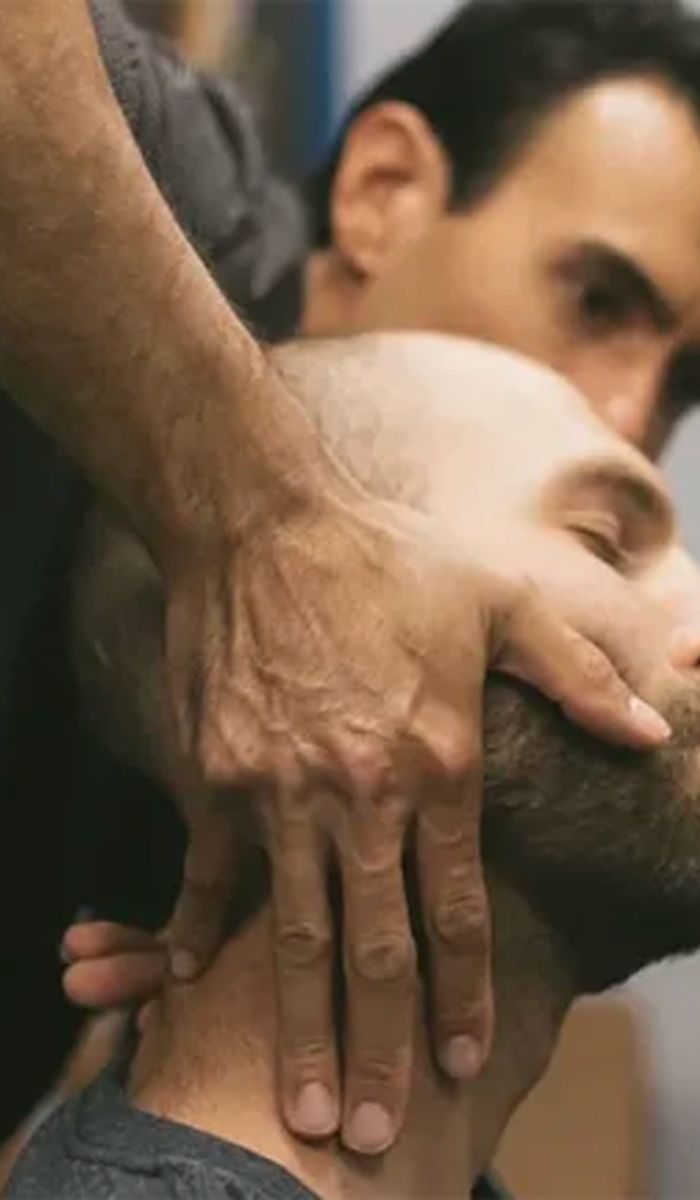
Chiropractic for migraines should be viewed as a complementary option, not a cure or a replacement for medical migraine treatment. Migraine is a neurological disorder, and no spinal finding explains every attack. Research on spinal adjustment for migraine remains preliminary, so the conversation should begin with realistic expectations.
A chiropractic evaluation considers the established diagnosis, attack frequency, aura, associated symptoms, medication use, previous treatment, and any meaningful change in the pattern. Dr. Fano also reviews movement and musculoskeletal findings when they are relevant, without treating them as proof of the migraine’s cause.
When the examination supports chiropractic care, its possible role may include:
We begin by reviewing when attacks started, how often they occur, how long they last, and what happens before, during, and afterward. A migraine diary, medication list, previous imaging, and specialist notes may reveal patterns that memory misses.
The examination may include:
Not every person needs each component, and imaging is not routine for a familiar migraine pattern. Dr. Fano discusses medical referral when the history or findings of the condition we’re treating warrant it.
Sudden explosive pain, a first severe headache, significant head trauma, weakness, confusion, fainting, vision loss, fever, or pronounced stiffness require prompt medical assessment.
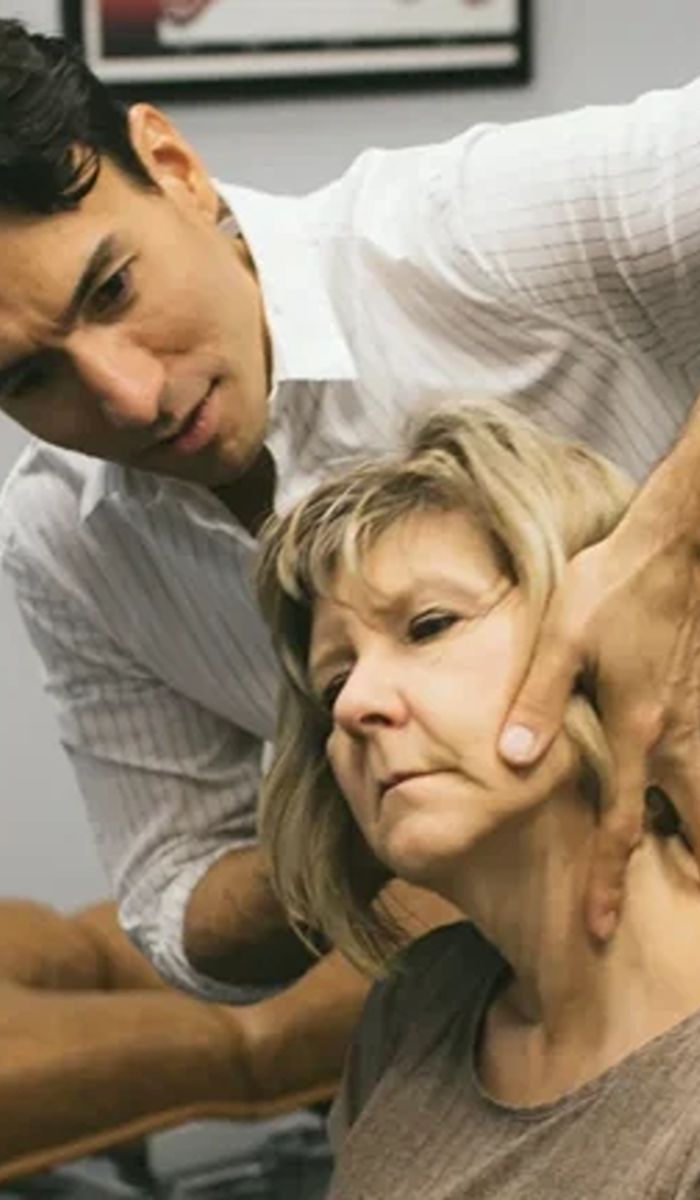
We begin by reviewing how your attacks unfold, including timing, associated symptoms, possible triggers, medication use, previous diagnoses, and changes from your usual pattern. The examination follows that history and may include movement, neurological screening, and a spinal assessment when appropriate. A migraine diary, imaging report, or specialist note may provide additional context.
Afterward, Dr. Fano from Vertical Chiropractic explains what appears relevant and where chiropractic may fit alongside medical care. Discuss imaging or referral when needed. Dr. Fano considers an adjustment only when the findings support it, and assigns no treatment schedule until the clinical picture is clear.

Gonstead analysis does not identify a migraine type or prove that spinal dysfunction caused an attack. Its role is limited to evaluating specific musculoskeletal findings that may be present alongside migraine.
Dr. Fano may use visualization, static palpation, motion palpation, and instrumentation when clinically relevant. Imaging is considered only when indicated and interpreted in the context of the broader health history.
If an adjustment appears appropriate, the clinician selects the contact, position, and direction for the joint under consideration. Some patients need a modified approach, assessment of another region, or no adjustment.
Migraine care requires thoughtful boundaries. Vertical Chiropractic® combines detailed attack-pattern review with neurological screening and musculoskeletal examination when indicated.
Dr. Fano’s Gonstead Diplomate training and teaching background support a specific evaluation process for people whose migraines interfere with work, recreation, and family routines.
Some people explore chiropractic as one part of a broader migraine plan. Research on spinal adjustment for migraine remains preliminary. The examination may identify musculoskeletal findings worth considering, reveal no appropriate role for manual care, or uncover symptoms that belong with a medical provider. The appropriate next step depends on the migraine history, neurological findings, current treatment, and any recent change in the pattern.
Migraine is a neurological disorder with a pattern that may include moderate or severe head pain, nausea, sensitivity to light or sound, dizziness, aura, fatigue, and a recovery phase. An ordinary headache may be shorter, milder, and less disruptive, though symptoms alone do not always establish the diagnosis. Frequency, duration, associated symptoms, family history, and changes over time provide useful clues. A new or unusual pattern deserves medical evaluation rather than self-diagnosis.
No. Migraine without aura is common. When aura occurs, it may involve temporary visual changes, tingling, numbness, or language difficulty that develops gradually and resolves. A person may also experience aura without a following headache. First-time neurological symptoms, a major change in a familiar aura, persistent symptoms, or sudden weakness need medical assessment rather than self-diagnosis. Stroke and other conditions may resemble aura, especially when the pattern is new or abrupt.
A migraine diary may make the history much clearer. Record the date, approximate start and end time, pain location, associated symptoms, aura, medication use, sleep, meals, menstrual timing when relevant, and how long recovery takes. Patterns often become easier to recognize after several entries. The diary does not need to be elaborate, and missing details are fine. Its purpose is to provide a more accurate picture than memory alone, especially when attacks vary from month to month.
During a moderate or severe attack, physical activity often worsens migraine pain, and rest in a quiet setting may feel more manageable. Between attacks, regular movement may remain part of a broader health plan, but the type and intensity should reflect the person’s medical history and known triggers. Sudden headache during exertion, a new severe exercise-related headache, fainting, chest pain, weakness, or neurological changes requires prompt medical evaluation before returning to activity.During a moderate or severe attack, physical activity often worsens migraine pain, and rest in a quiet setting may feel more manageable. Between attacks, regular movement may remain part of a broader health plan, but the type and intensity should reflect the person’s medical history and known triggers. Sudden headache during exertion, a new severe exercise-related headache, fainting, chest pain, weakness, or neurological changes requires prompt medical evaluation before returning to activity.
Frequent use of certain medicines for acute headache may contribute to medication-overuse headache, which may make the overall pattern more frequent or persistent. The risk varies by medication type, frequency, and individual history. Do not stop prescribed medicine abruptly based on website information. Bring an accurate medication list to the appointment and discuss concerns with the prescribing clinician or primary care provider. Changes to migraine medication belong with the medical professional managing that treatment.
Seek urgent or emergency assessment for a sudden severe headache, new weakness or numbness, trouble speaking, confusion, fainting, vision loss, severe imbalance, fever, or pronounced neck stiffness. A major change following head trauma also deserves prompt attention. New neurological symptoms should not automatically be labeled aura, even in someone with a migraine history. A first severe episode or a pattern that feels distinctly different from previous attacks warrants timely medical review.
Yes, provided the proposed care is appropriate for the examination findings. Bring information about your diagnosis, current medicines, prior imaging, and any instructions from your neurologist. Dr. Fano evaluates where chiropractic may fit rather than replacing neurological treatment. Clear boundaries matter, particularly when attacks are frequent, aura is changing, preventive medication is being adjusted, or another health condition affects treatment choices.
Migraine attacks may disrupt work, sleep, exercise, driving, and time with family. Vertical Chiropractic® in downtown Sarasota provides a careful evaluation of the attack history, relevant neurological findings, and neck mechanics before discussing care. Dr. Bobby Fano’s Gonstead Diplomate training supports a findings-based process, while referral remains part of the plan whenever the presentation belongs outside chiropractic care.
Call Vertical Chiropractic® in Sarasota at 941-413-5099 or schedule your visit online for a proper migraine evaluation.