
VISIT OUR LOCATIONS:

The hip is a weight-bearing ball-and-socket joint that supports walking, sitting, climbing stairs, exercise, and balance. Discomfort may develop within the joint or involve nearby muscles, tendons, bursae, and nerves. The location often offers useful clues. Groin pain commonly relates to the joint itself, while symptoms along the outer hip, thigh, or buttock may involve surrounding tissues or referred pain from the lower back.
You might notice symptoms when you stand after sitting, get into a vehicle, sleep on one side, bend, or rotate your leg. Other people feel restricted during golf, running, pickleball, strength training, or long periods on their feet.
Our Sarasota chiropractors for hip pain at Vertical Chiropractic® examine how the hip moves in relation to the pelvis, lower back, knee, and foot. This connected approach helps us identify mechanical findings that may contribute to discomfort or limited mobility before discussing care.
FOLLOWING THE LOCATION AND PATTERN OF YOUR SYMPTOMS
Hip problems do not always produce pain directly over the joint. Symptoms may appear in the groin, outer thigh, buttock, or upper leg and change with certain positions.
The timing, location, and movements involved provide important information during your examination about the type of care our hip pain chiropractors will provide.
THE HIP RESPONDS TO LOAD FROM EVERY DIRECTION
Hip discomfort sometimes follows a fall, sports injury, or abrupt twisting movement. In other cases, symptoms gradually emerge as joint mobility, muscular control, or movement habits change.
Pain during deep bending or rotation may occur with hip impingement, while outer-hip tenderness can involve a bursa or adjacent tendons. Because several structures may create similar symptoms, the activity that triggers pain does not reveal the entire cause.
Different hip conditions often overlap in how they affect walking, sitting, exercise, and sleep. Your examination with our chiropractor for hip pain in Sarasota is used to determine which tissues and movement patterns deserve closer attention.
Hip impingement creates abnormal joint contact, often causing groin pain, stiffness, or pinching during squatting, sitting, flexion, and rotation.
A bursa reduces friction between moving tissues. Irritation around the outer hip may create localized tenderness, pain while walking, and discomfort when lying on the affected side.
Reduced joint motion may make it harder to rotate the leg, extend the hip, climb stairs, or move smoothly through a normal walking stride.
Hip flexor problems may produce pain near the front of the hip, especially when rising from a chair, climbing stairs, running, or lifting the knee.
The gluteal muscles stabilize the pelvis and control the hip during walking, running, and single-leg movement. Reduced strength or coordination may shift stress toward other tissues.
Labral irritation may cause deep groin pain, stiffness, clicking, or catching during hip rotation, prolonged sitting, and deep flexion movements.

Our chiropractors for hip pain in Sarasota, FL, look at how the hip functions alongside the pelvis, spine, knee, ankle, and foot. Your examination may include joint mobility, walking mechanics, muscle function, and neurological findings.
When appropriate to the related condition, a hip, spinal, or pelvic adjustment may improve motion in a restricted joint. Care may also include mobility exercises and activity guidance based on your symptoms and daily demands. If findings suggest arthritis, a fracture, infection, or a significant labral injury, imaging or a referral to an outside provider may come first.
Your evaluation begins with how the problem started, where you feel it, and which activities change the symptoms. Our doctors ask about falls, sports, previous injuries, surgery, exercise habits, and difficulties with walking, sitting, or sleeping.
The examination may compare hip motion, strength, joint mechanics, balance, walking patterns, and tenderness on both sides. Your pelvis, lower back, knee, ankle, or foot may also be assessed when those regions influence movement.
Imaging or an outside referral may be discussed after trauma, progressive weakness, severe restriction, or findings that need further investigation. Seek prompt medical attention following a significant injury accompanied by deformity, sudden swelling, intense pain, or an inability to bear weight.
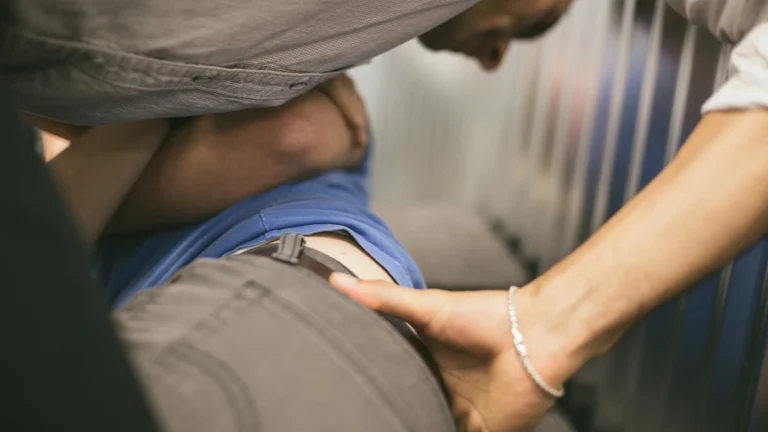
Your first appointment as a new patient begins with a conversation about your symptoms, health history, previous injuries, and daily movement demands. Our chiropractors then evaluate hip mobility, joint mechanics, walking patterns, strength, and relevant neurological findings. The pelvis, lumbar spine, knee, or foot may also be examined when connected to your symptoms.
Afterward, we explain which findings stood out and discuss appropriate care options. A hip, pelvic, or spinal adjustment is considered only when supported by the examination. If imaging, additional testing, or another provider should come first, we will explain why and guide you toward the appropriate next step.

The Gonstead Method provides a structured framework for examining spinal and pelvic mechanics that may relate to hip function. Depending on your presentation, our chiropractors may use visualization, static palpation, motion palpation, instrumentation, and relevant imaging to study specific areas of concern.
Extremity analysis focuses more directly on the hip joint and its relationship with the pelvis, knee, and foot. When an adjustment is appropriate, its contact point, patient position, and direction are selected according to the examination findings. This approach lets care reflect your movement pattern instead of following the same routine for everyone with hip pain.
Hip discomfort often matters because it interferes with ordinary movement. Individualized care may support your ability to:
Your care plan reflects your examination findings, present abilities, and the activities you want to return to.
Chiropractic care may be appropriate when hip pain relates to restricted joint motion, altered pelvic mechanics, muscular imbalance, or connected problems involving the lower back and lower extremity. An examination is necessary because similar symptoms may also arise from arthritis, fractures, labral injuries, bursitis, or other conditions. Your chiropractor will determine where adjustment-based care may fit and when imaging or evaluation from another provider deserves priority.
Groin pain often points toward structures within the hip joint, particularly when symptoms increase with deep bending, rotation, squatting, or getting into a vehicle. Hip impingement, joint irritation, arthritis, and labral problems may create discomfort in this region. However, groin pain also has non-musculoskeletal causes. A detailed history and physical examination are needed before deciding which structure appears involved.
Pain along the outer hip may involve an irritated bursa, gluteal tendons, or other tissues around the greater trochanter. Direct pressure from side sleeping may aggravate the area. Walking, stair climbing, prolonged standing, or repetitive exercise may also increase symptoms. Because several outer-hip conditions feel similar, the examination should evaluate tenderness, strength, movement, and related lower-back and pelvic mechanics.
Lower-back joints, discs, muscles, or nerves may refer symptoms into the buttock, outer hip, groin, or leg. This becomes especially important when hip discomfort occurs alongside back pain, numbness, tingling, weakness, or pain traveling below the knee. Your examination may include neurological checks and spinal movement testing to distinguish referred symptoms from a problem centered within the hip.
Activity decisions depend on the suspected cause, symptom intensity, and movements involved. Continuing to push through sharp pain, increasing weakness, or worsening restriction may aggravate the problem. Temporary changes to depth, resistance, duration, or exercise selection may be appropriate. Our chiropractors use the examination findings to explain which activities appear reasonable and which movements should be paused while the source is investigated.
Hip imaging is not automatically required for every person with hip pain. X-rays may be discussed following trauma or when joint shape, arthritis, fracture, or structural change requires closer evaluation. MRI may be considered when soft-tissue, cartilage, or labral involvement is suspected. Existing images are reviewed when relevant, while new imaging is discussed only when your history and examination findings provide a clinical reason.
Seek prompt medical attention after a serious fall or collision when you cannot bear weight, the joint appears deformed, swelling develops suddenly, or the pain is intense. Fever with redness and warmth around the joint also deserves timely medical evaluation because it may indicate infection or another urgent condition. Sudden weakness, loss of sensation, or changes in bowel or bladder control require immediate assessment as well.
Vertical Chiropractic® is located in downtown Sarasota and serves adults experiencing hip stiffness, restricted movement, groin discomfort, outer-hip pain, and related lower-back or lower-extremity concerns. Our doctors evaluate the hip alongside the joints and movement patterns that influence it. Your first appointment provides an opportunity to understand the findings, ask questions, and learn which next step is appropriate for your condition.
Hip pain may affect walking, sitting, sleep, exercise, and other everyday activities. Vertical Chiropractic® provides individualized spinal and extremity care based on your symptoms, hip mobility, joint mechanics, and connected movement patterns. When chiropractic care is appropriate, your plan reflects the findings and the activities you want to regain.
Call Vertical Chiropractic® in Sarasota at 941-413-5099 or schedule your visit online for a proper evaluation.